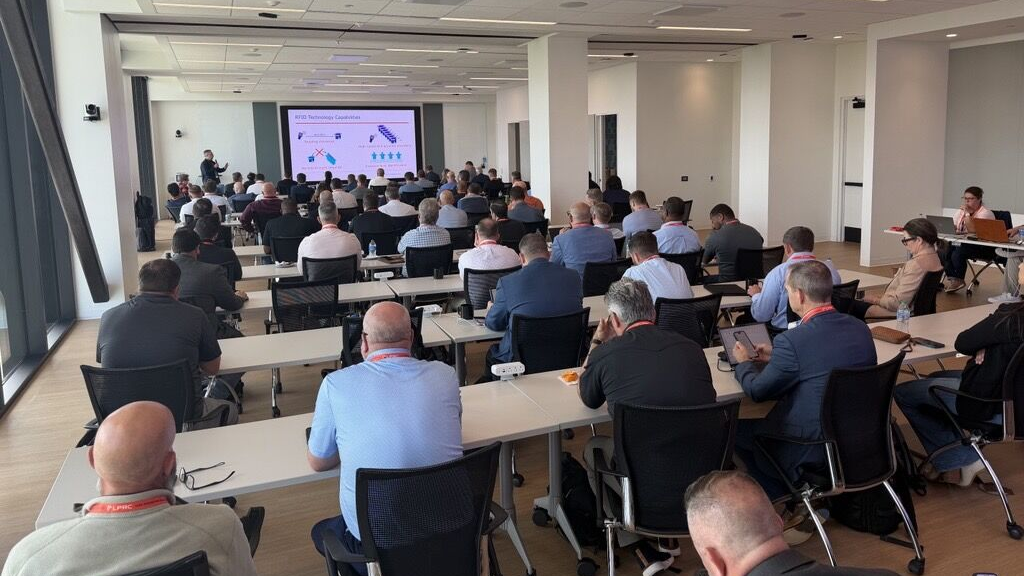
Organized cargo theft is rapidly reshaping how companies think about supply chain security. That challenge took center stage at the 2026 Loss Prevention Research Council (LPRC) Supply Chain Protection Summit, where retailers, law enforcement agencies, technology leaders and security professionals gathered at Walmart headquarters in Bentonville, Arkansas to discuss one of the industry’s fastest-evolving threats.
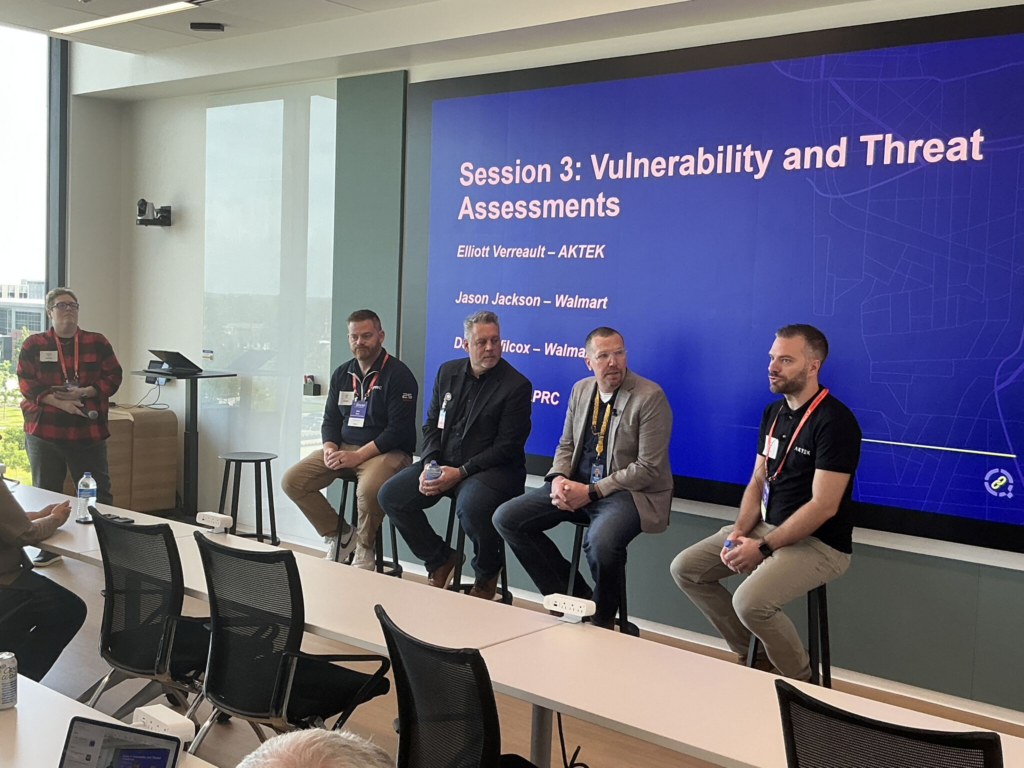
Discussions throughout the event focused on threat assessment, intelligence gathering, emerging technologies and cross-industry collaboration. Across multiple sessions, one theme stood out: organizations need better visibility into not only what is being targeted, but also who is behind the activity and how these criminal networks operate.
AKTEK CEO Elliott Verreault joined industry leaders during the Vulnerability & Threat Assessments panel, sharing perspectives on intelligence-driven threat assessment and offender-focused prevention strategies.
Below are some of the key insights that stood out throughout the summit.
1. Threat Assessment Must Focus on Actors, Not Just Assets
Many organizations invest heavily in monitoring cargo, facilities and shipments. While these assets remain critical to protect, several discussions highlighted the importance of understanding the threat actors behind criminal activity.
During the Vulnerability & Threat Assessments panel, Elliott Verreault emphasized that cargo is ultimately the victim of the crime. Effective prevention requires identifying, tracking and understanding the individuals and networks responsible for theft activity.
This shift from asset-centric monitoring to actor-centric intelligence enables organizations to better allocate resources toward the highest-risk threats and locations.
2. Better Intelligence Improves Prediction
A common theme throughout the summit was the relationship between intelligence quality and predictive capability.
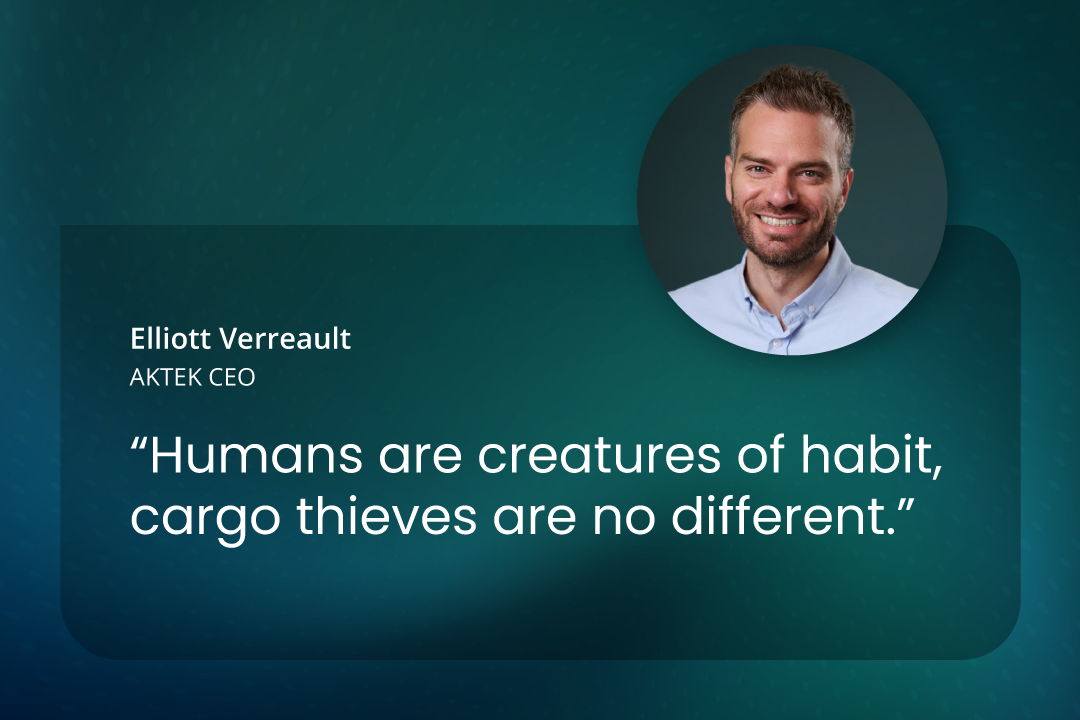
As Verreault noted during the panel, “Humans are creatures of habit. Cargo thieves are no different.”
Every incident contains valuable intelligence beyond the immediate recovery effort. Patterns in locations, behaviors, methods and associations can help organizations understand how threat actors operate and where they may strike next.
Threat assessment becomes significantly more effective when organizations use intelligence not only to explain past events, but to anticipate future ones.
3. Built for Speed, Forced to Slow Down
One of the most thought-provoking insights came from Gary Thomas of Logistiq Insurance.
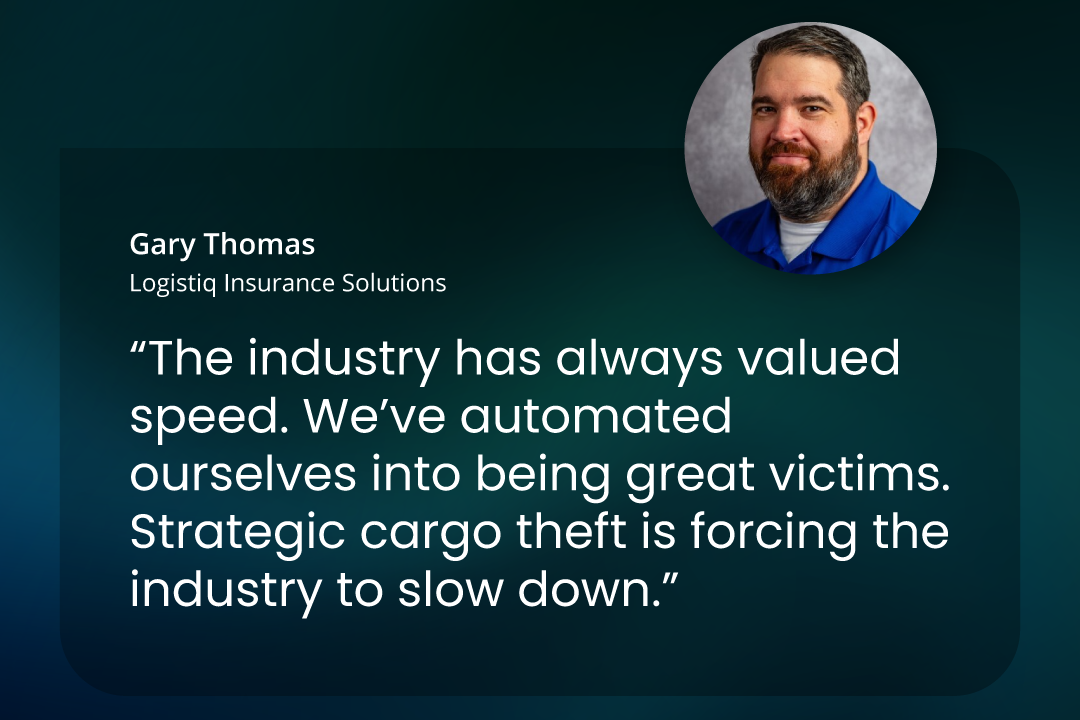
Supply chains have spent decades optimizing efficiency, automation and velocity. While these improvements have delivered significant operational benefits, they have also created new vulnerabilities that sophisticated threat actors increasingly exploit.
As cargo theft continues to evolve, organizations are being challenged to balance speed with visibility, intelligence and risk awareness.
4. Context Matters More Than Data Volume
During a session on emerging technologies, Cody Smith of Walmart Emerging Technology highlighted a challenge familiar to many security teams: more alerts do not necessarily create better outcomes.
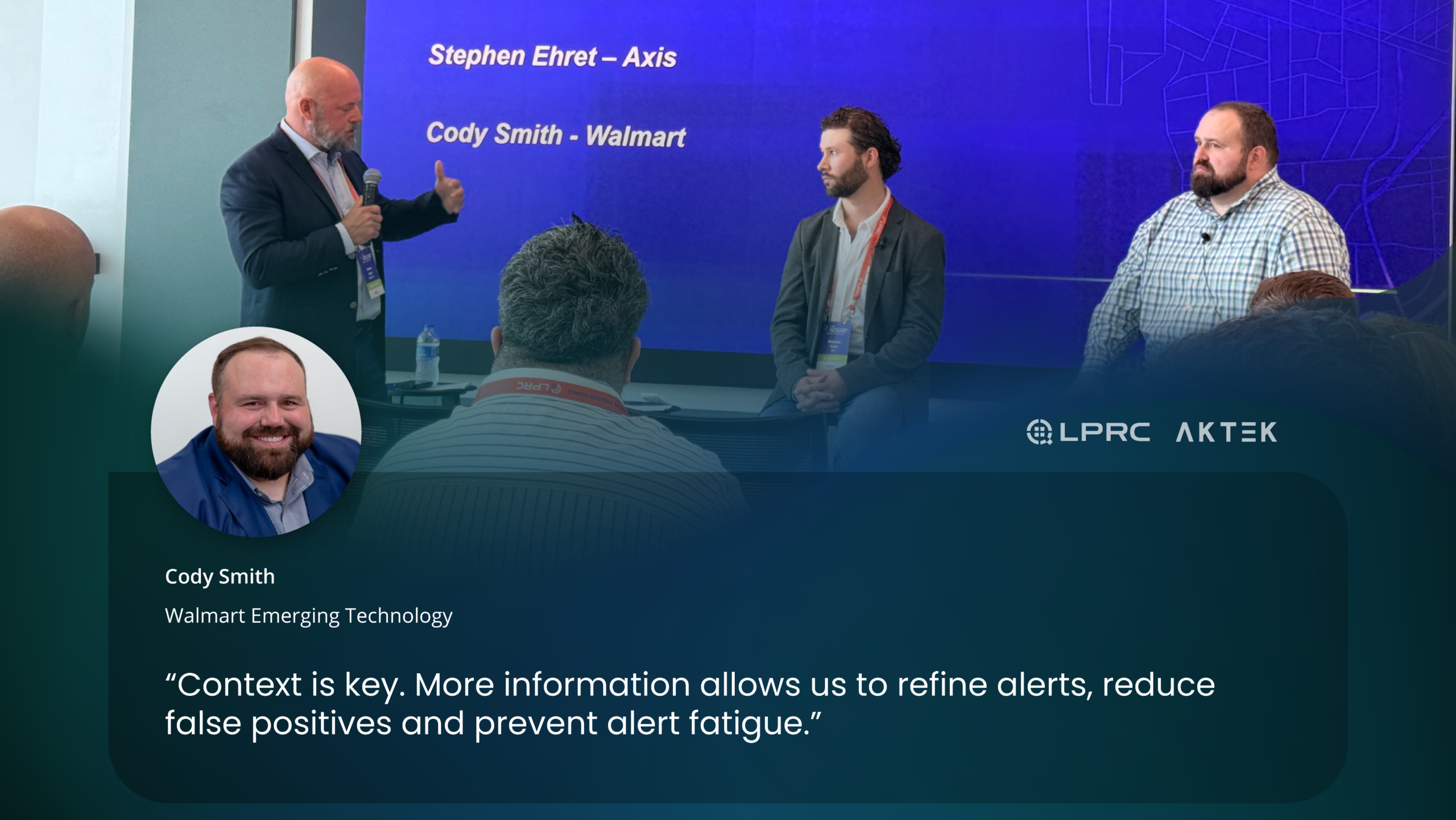
As organizations continue integrating new sensors, platforms and intelligence sources, the ability to contextualize information becomes increasingly important. High-quality intelligence helps teams focus attention on the signals that matter most while reducing unnecessary operational noise.
5. Repeat Offenders Drive a Disproportionate Amount of Crime
Several discussions reinforced the importance of focusing on repeat offenders and organized criminal networks.
Research within retail crime has consistently shown that a relatively small percentage of offenders are responsible for a large share of criminal activity. Similar trends are increasingly visible within cargo theft investigations.
The implication is clear: understanding repeat offenders creates opportunities for earlier intervention, more accurate threat assessments and more effective prevention strategies.
Rather than treating incidents as isolated events, organizations can develop a broader understanding of recurring actors and emerging patterns.
6. Information Sharing Remains Essential
Collaboration was another major topic throughout the summit.
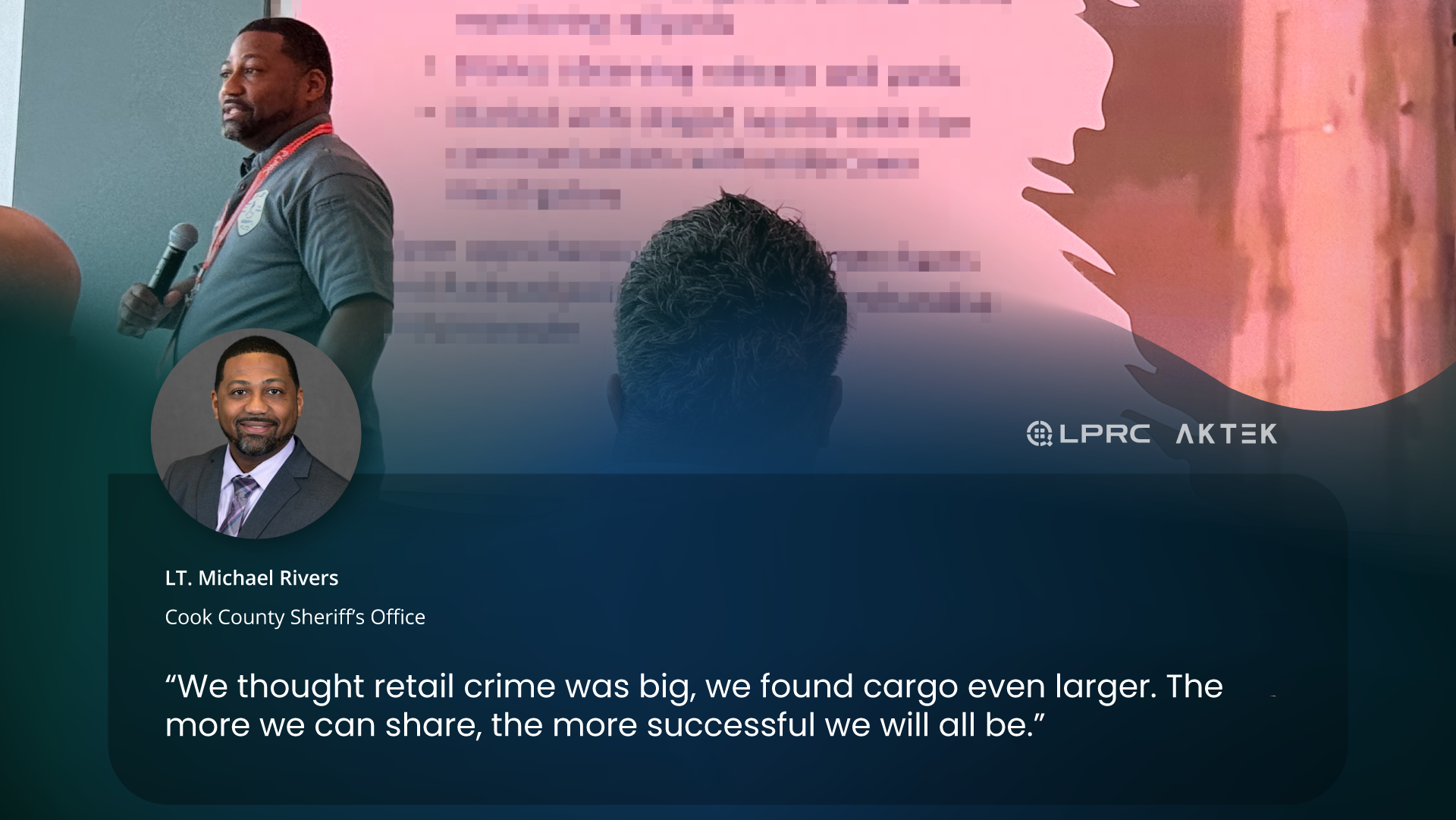
Lt. Michael Rivers of the Cook County Sheriff’s Office noted that cargo theft has become a larger challenge than many organizations initially expected, emphasizing the importance of information sharing across the industry.
This perspective was echoed throughout multiple sessions involving retailers, investigators and law enforcement agencies. As cargo theft networks continue to operate across jurisdictions and industries, collaboration becomes increasingly important to building a complete picture of the threat landscape.
7. Cargo Theft and Retail Crime Are More Connected Than Many Realize
During discussions focused on law enforcement collaboration, Sgt. Kyle Dodder of the California Highway Patrol CTIP highlighted an important overlap between organized retail crime and cargo theft.
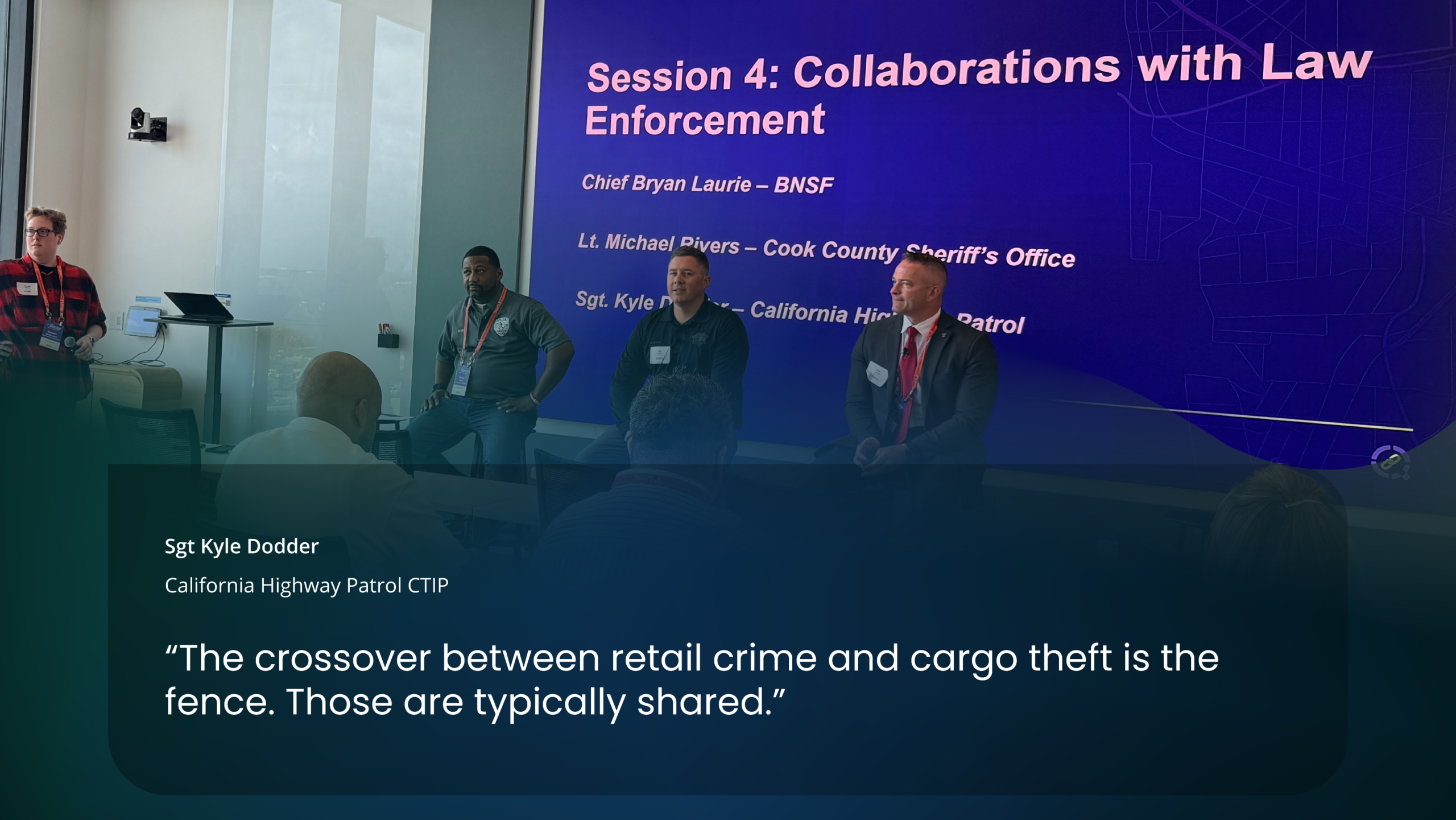
This observation underscores the interconnected nature of modern criminal networks. Understanding these relationships can provide valuable intelligence opportunities and help organizations identify broader patterns that might otherwise remain hidden.
Final Thoughts
The discussions at the LPRC Supply Chain Protection Summit reinforced a broader shift taking place across the industry.
Effective threat assessment is no longer limited to monitoring assets, responding to incidents or collecting more data. Organizations are increasingly focused on understanding threat actors, improving intelligence quality, strengthening collaboration and using context to make better decisions.
As cargo theft networks become more organized and adaptive, intelligence-led approaches will play an increasingly important role in helping organizations identify threats earlier, allocate resources more effectively and improve prevention outcomes.